Natural Healing: Our Forgotten Tradition – Part 1
Today I’m going to talk about a somewhat unusual topic: I’ll be discussing the various ways people in Mauritius have traditionally used natural remedies for healing. So we’ll cover a bit of history, and to keep this from getting too long—since there’s a lot to cover—I’ll break it down into several parts.
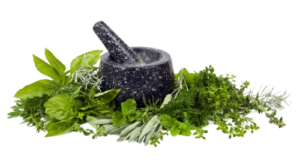
Our island is home to a fairly wide range of different types of medicine, thanks to our very diverse origins. European, African, and Indian traditions have all blended together, giving rise to what might be called “Creole medicine.” This includes a variety of “healers” and treatments, in which plants play an important role, alongside prayers and rituals.
Alongside this healthcare system, which draws on a variety of influences, traditional Indian Ayurvedic medicine has been widely practiced for several decades. There are numerous centers, clinics, and doctors who have studied in India. Herbal medicines are mostly imported, though traditional local herbs are also used. The latter has seen a surge in popularity. Chinese medicine is also present, not only through acupuncture but also thanks to the many products imported from China, Taiwan, and Korea.
A little history!
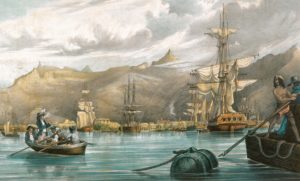
The settlers—and especially the women who came from France beginning in the 18th century—were mostly from rural areas. They brought with them the folk remedies of old France. The populations from Africa were very diverse. Maroon slaves, who had fled the plantations, treated themselves with plants they found in the forests where they took refuge. It is believed, in fact, that the first healers were Malagasy.
The Indians also came from rural areas, bringing with them traditional Ayurvedic medicine. Many plants that are still widely used today, inherited from this tradition, can be found: turmeric, an indispensable plant in Indian and Mauritian pharmacopoeias, as well as the use of numerous spices. Thus, modern Creole medicine, based on the use of numerous medicinal plants, is the result of a kind of cultural fusion, much like the population itself.
Local Healers
Our island has healers, but their numbers are dwindling.
- Healers who perform healing rituals (with a strong religious component)
- healers who practice magic
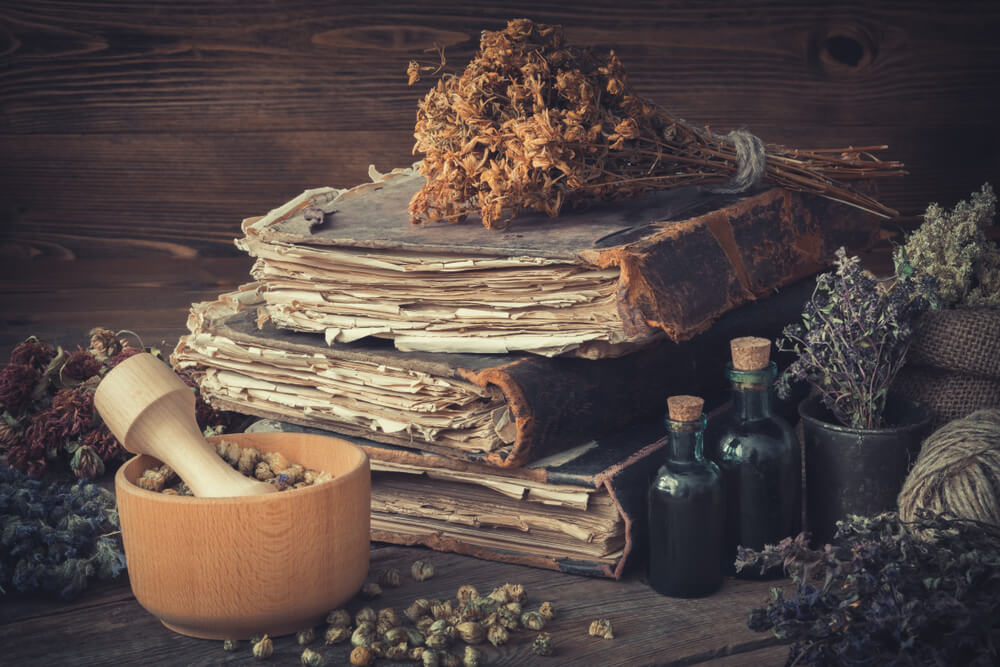
- healers who use plants for treatment —or herbalists, a group to which I belong—as well as a few others, such as the makers of “grandmother’s herbal teas” and the herbalist at the Port Louis market.
But there are also people in the villages who use plants for healing. They are often elderly women (traditional healers), and their knowledge is passed down from generation to generation. Many of these wild plants are cultivated in family gardens. Other, rarer plants are gathered in the forests and are endangered.
I hope you enjoyed this little story, and we'll continue it next Monday!