Bacopa
Hello, dear readers
Today I'm going to talk to you about Bacopa, a plant known for boosting brain function.
This plant is important in Ayurvedic medicine and is beginning to gain prominence in Western herbal medicine. It is native to Asia and thrives in tropical regions. Its Indian name, Brahmi, is associated with the god Brahma, the creator god.
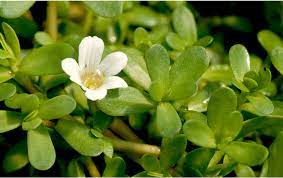
- Common name: Bacopa, water hyssop, brahmi, small speedwell
- Scientific name: Bacopa monnieri
- Family: Scrophulariaceae
- Parts used: stem, leaves, flowers
I discovered this aquatic plant thanks to my dad’s friend in Réunion, Mr. Raymond Lucas. Raymond is an expert on Réunion’s plants and does a lot to help preserve them; he has written books and was kind enough to give me some.
While bacopa has significant benefits for the brain, Raymond uses it to treat tinnitus. This use isn't widely recognized, but it has been effective for him.
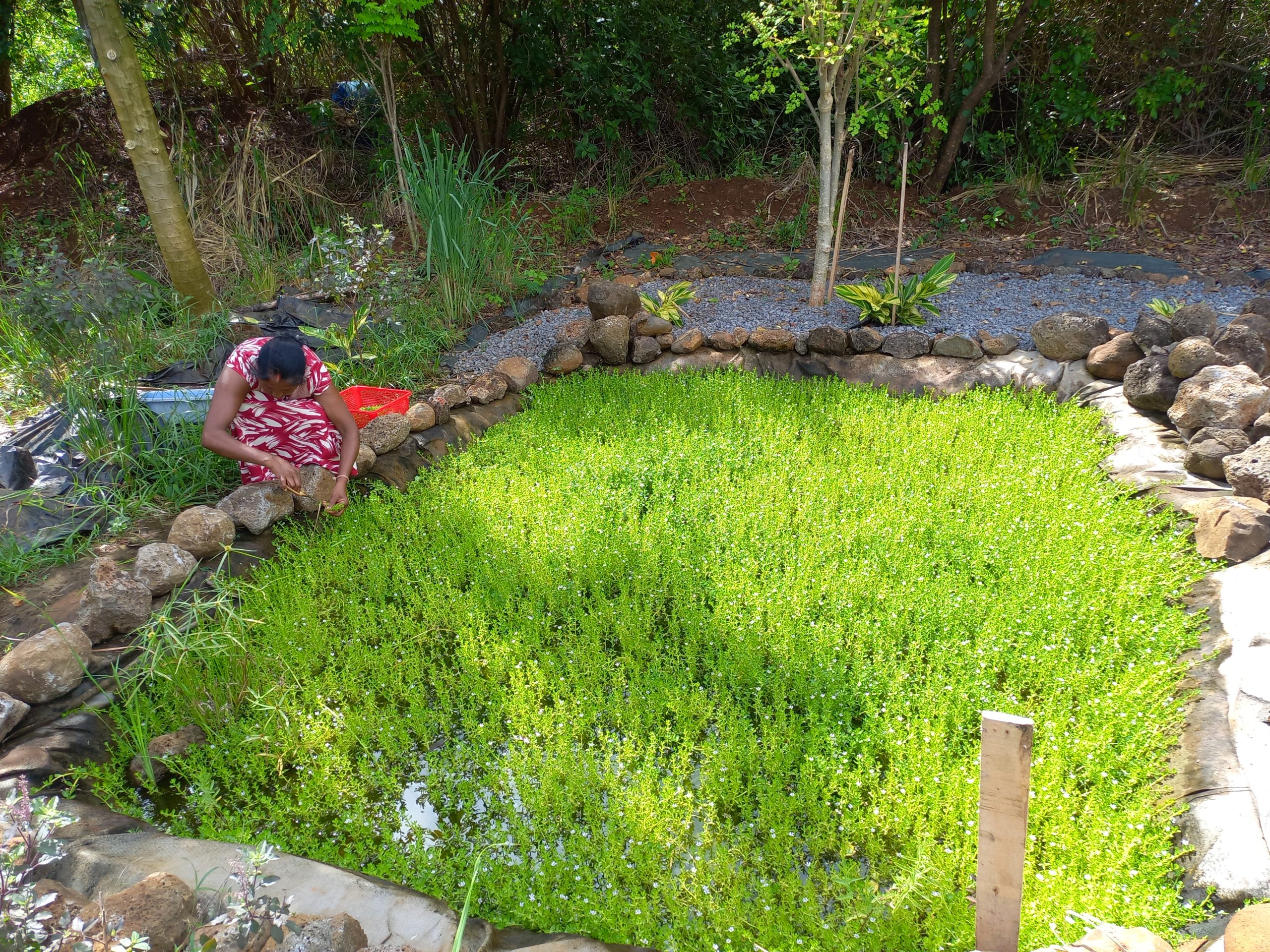
our bacopa pond
Components
- Triterpene saponins: bacoside A, bacoside B
- Flavonoids: apigenin, luteonin
- Alkaloids: brahmine, herpestine, hydrocotyline
- Triterpenes and steroids: betulinic acid, betulic acid, wogonine, oroxindine, stigmasterol, β-sitosterol
- Minerals: rich in potassium.
A Plant for the Brain
Although it is used to treat a variety of ailments, it is best known for its incredible effects on the brain
It is one of what are now known as nootropics—natural compounds that promote mental well-being and cognitive function.
Numerous studies demonstrate the effectiveness of bacopa in improving memory, attention, reasoning, learning, information processing speed, and the memorization process.
This plant is currently being studied as a potential treatment for improving the symptoms of Alzheimer's disease. It promotes better blood flow to the brain, enhances brain plasticity, and blocks the formation of amyloid plaques, which play a major role in the deterioration of brain structures.
In older adults, taking bacopa can improve memory

Bacopa can be used to help someone prepare for exams. It should be taken 2 to 3 months before the study period.

Reduces stress and anxiety
Bacopa is one of the adaptogenic plants. As such, it can help improve the body’s resilience in the face of physical or psychological stress, whether acute or chronic.
It has a calming and anxiolytic effect that promotes tranquility and relaxation. It is therefore ideal for treating stress, anxiety, depression, burnout, and mental fatigue.
In India, people take bacopa to clear their minds during meditation.

Improves mood
Bacopa is a very useful herb for relieving mood disorders such as irritability and impulsivity. Bacopa has been tested in children diagnosed with ADHD (attention-deficit/hyperactivity disorder). Improvements in learning abilities and a reduction in restlessness have been observed.
Relieves inflammation
Bacopa is also a powerful natural anti-inflammatory.
Contraindications
- Do not use if you are pregnant or breastfeeding
- There is a potential interaction with barbiturates
- Not recommended if you have hyperthyroidism
- Should be avoided by people with a slower-than-average heart rate
Forms and Dosages
- Dried stems, leaves, and flowers
- In Ayurvedic medicine:
- 1 to 2 grams per day to prevent brain dysfunction
- 5 to 10 grams (in 2 or 3 doses) for degenerative diseases.
- Since this plant is very, very bitter, you can drink it as a herbal tea with honey or consume it in powder form with honey.
- You can also use a tincture made from fresh or recently dried aerial parts. The recommended dose is 30 to 50 drops in a little water, 3 to 4 times a day.
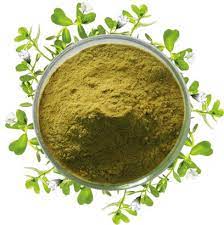
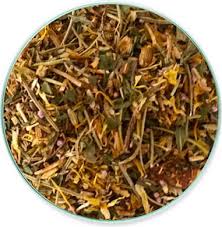
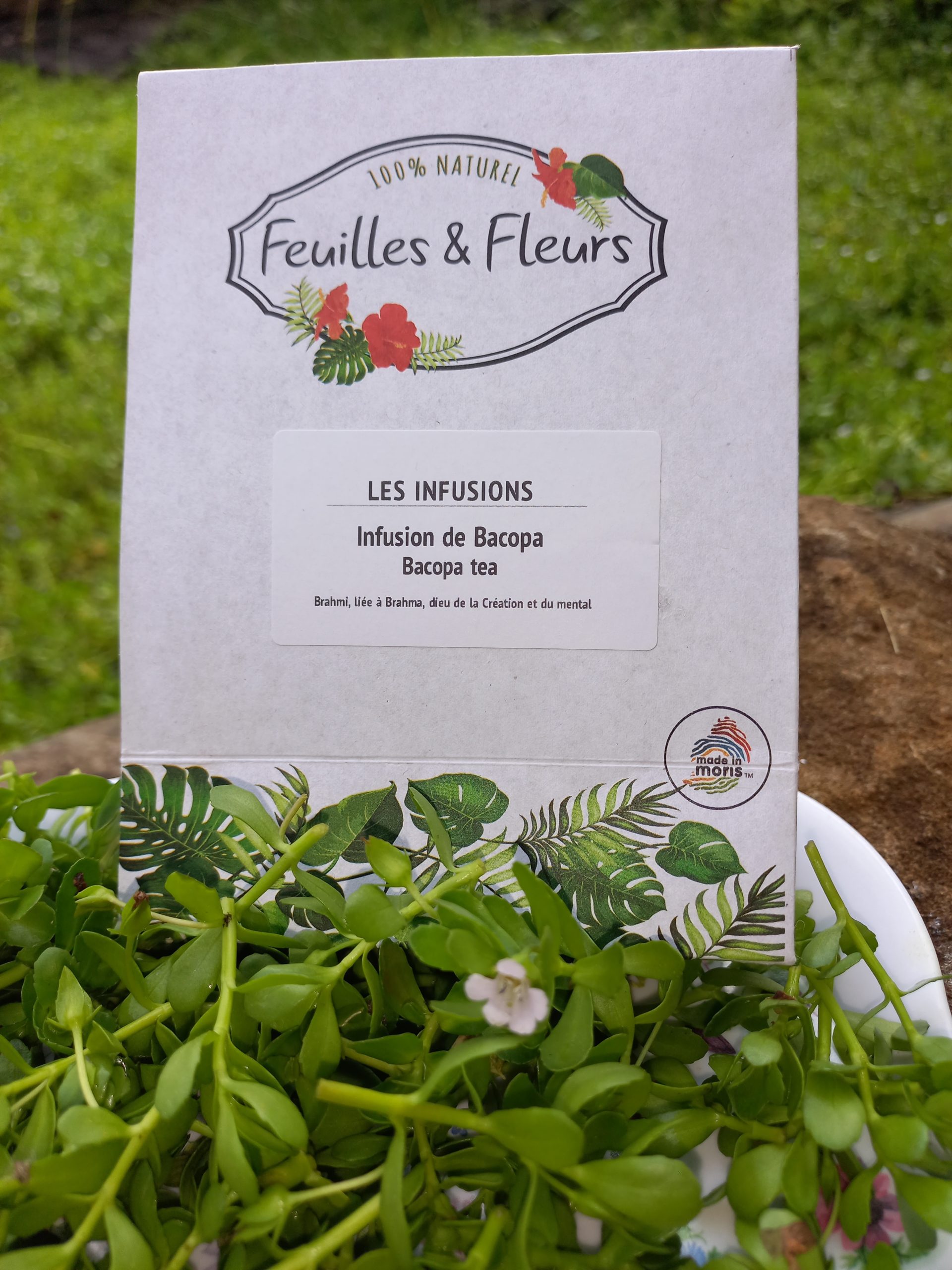
I hope you enjoyed this story, and see you soon for our next discovery!
You can find our herbal tea by clicking here:
See you soon