Peruvian Balm (Large Thyme)
Hello, dear friends,
Today we’re going to talk about large-leaved thyme, known in Mauritius as “Peruvian balm” and in Réunion as “ti baume.”
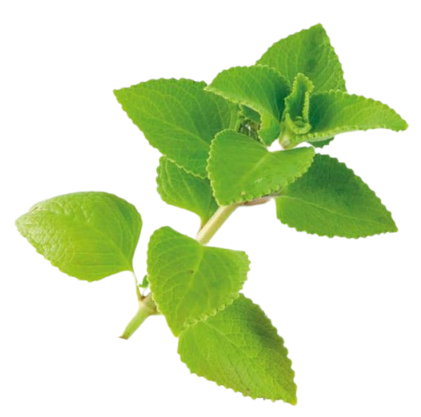
Scientific name:Plectranthus amboinicus
Common names:ti baume, gros thym, Indian mint, French thyme, Spanish thyme, Cuban oregano
Family:Lamiaceae
Broad-leaved thyme is native to Africa and is found in all tropical regions, likely as a result of colonization.
In Mauritius and Réunion, it is found in gardens and is used to make herbal tea and poultices.
Large-leaved thyme has large, thick leaves covered with a light fuzz that give off a strong scent when crushed. It closely resembles the plant known as “efferalgan.”
In terms of flavor, wild thyme tastes like a blend of thyme, sage, mint, and oregano.
It can be eaten in a salad or used as a seasoning in soup
Analyses of its essential oil show that it contains thymol, carvacrol, and other compounds found inthymeand other aromatic herbs such as oregano.
When taken internally as an infusion, it is traditionally used as a cough suppressant and anti-asthmatic (to treat coughs, bronchitis, or the flu), and is also recommended for nasopharyngitis, laryngitis, and all types of sore throats, when taken with a little honey.
In various countries around the world, it is also used to relieve digestive problems
Its aromatic properties, combined with significant antibacterial and antifungal effects, make it an intestinal disinfectant. These aromatic substances are also known to have antispasmodic properties, making them effective for treating painful cramps.
This plant was used just as much for treating diarrhea caused by infections, as it is believed to have a long-term effect on restoring the balance of the gut flora.
Another traditional use: urinary tract infections and prevention of recurrent cystitis
Finally, the plant is said to be galactogenic, meaning that it increases milk production.
For external use: wild thyme helps reduce heat rash on babies’ skin (by adding an infusion of the leaves to the bath) and soothes insect bites and minor burns (by applying a poultice of the leaves to the skin).
Studies also confirm that the plant has antiseptic properties and stimulates cell repair.
This plant is used to treat headaches, both internally and externally as a poultice. It is also said to be effective for joint pain.
Precautions
As always, as a precaution, this medication should not be used by pregnant or breastfeeding women.