A History of Herbal Medicine
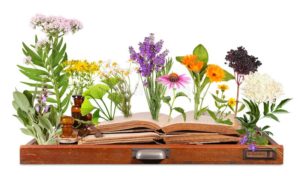
Dear friends, today we’re going to talk about the history of herbal medicine to gain a better understanding of this field. Medicinal plants, even though they’re called “simple” plants, are actually very complex. From a botanical standpoint alone, they’re not simple at all! And on top of that, they’re composed of numerous chemical molecules that possess pharmacological activities. This entire complex is called the plant’s totum.
 Herbal medicine dates back to the dawn of humanity; it has existed since time immemorial. Even in prehistoric times, people were already using plants to treat themselves. According to the latest research on prehistory, it appears that the role of healing was primarily carried out by women, who served as shamans.
- Ancient civilizations possessed a wealth of knowledge about plants
- We know that in the East, around 5,000 BC, people used many remedies. In ancient Egypt as well
- In the Bible, the frankincense and myrrh that the Magi presented at Jesus’ birth came from the East. They were highly sought-after and very rare medicines.
Many manuscripts mention the use of castor oil, olive oil, cinnamon, onion, mint, flaxseed, fennel, senna, and poppy. They were already making preparations in the form of capsules, suppositories, and ointments.
In the West, we are all familiar with Hippocrates, known as the father of medicine. He recommended garlic and asparagus as diuretics, poppy as a sleep aid, and willow to relieve pain and fever. In ancient France, in Gaul, mistletoe was a sacred plant—as were many other medicinal plants, for that matter!!
An object of veneration gathered from oak trees by druids according to specific rites on the sixth day of the lunar cycle, it symbolizes eternal life because it remains evergreen even while the oak tree is dormant during winter. Research on mistletoe shows that it inhibits the development of certain cancerous tumors, and its leaves have blood-pressure-lowering properties. Current research on many Gallic species that were used in the past confirms this ancient knowledge.
Speaking of which, I find this so interesting! Our ancestors, regardless of their origins or the civilization to which they belonged, had a genuine understanding of the benefits of plants. This is called empirical knowledge. It turns out that 80% of today’s medications are made from these plant molecules. The collection of medicinal plants is called the pharmacopoeia.
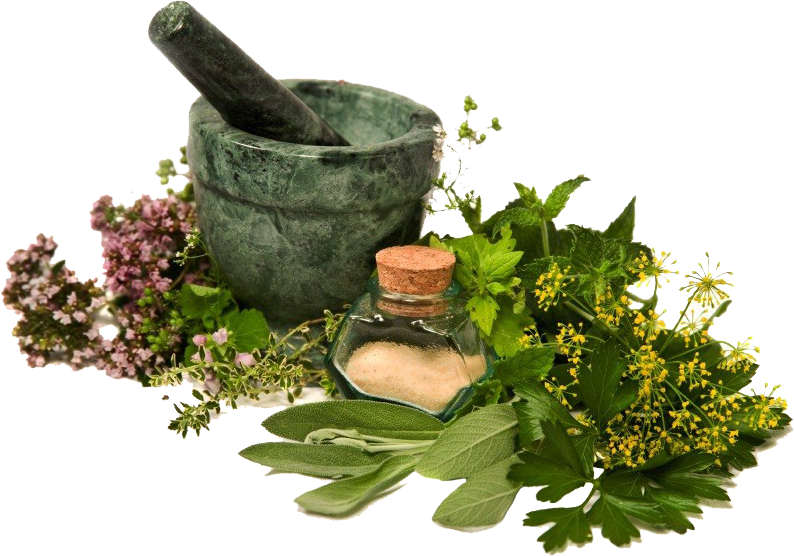 At the end of the Greek and Roman civilizations, knowledge endured thanks to the monasteries. The monks, who copied ancient texts, passed on this knowledge. In fact, it was during the Middle Ages that medicinal plants were called “simples.” The monasteries cultivated them. Even Charlemagne recommended growing simples in his garden. Also during the Middle Ages, Eastern and Western knowledge intermingled. The University of Montpellier brought together European, Jewish, and Arab scholars. Remedies were sold at apothecaries.
Thanks to trade with Africa and Asia, new plants—such as spices—began to appear. It was during the 18th and19th centuries that researchers discovered the pharmacological properties of certain plants. They succeeded in extracting active ingredients from plants, such as morphine from opium poppies. Empirical knowledge is often confirmed by pharmaceutical research. For example, willow bark and meadowsweet were used to treat rheumatism. These two plants are the source of aspirin. The process was quite slow, but several researchers succeeded in isolating the substances used to manufacture aspirin from these two plants.
During World War I, British pilots ate blueberries to see better in the dark. It was discovered that anthocyanosides—some of which regenerate rhodopsin, a protein that improves night vision—play a role in this. Beginning in the20thcentury, chemistry supplanted the use of plants. Synthetic molecules were developed. The plant’s “totum” (the sum of its constituents) was overshadowed. Doctors abandoned plants in favor of purely chemical drugs. But we have seen a resurgence in recent years. The greatest modern pioneer of phytotherapy was Dr. Jean Valnet, a postwar physician. He was heavily criticized by the scientific community.
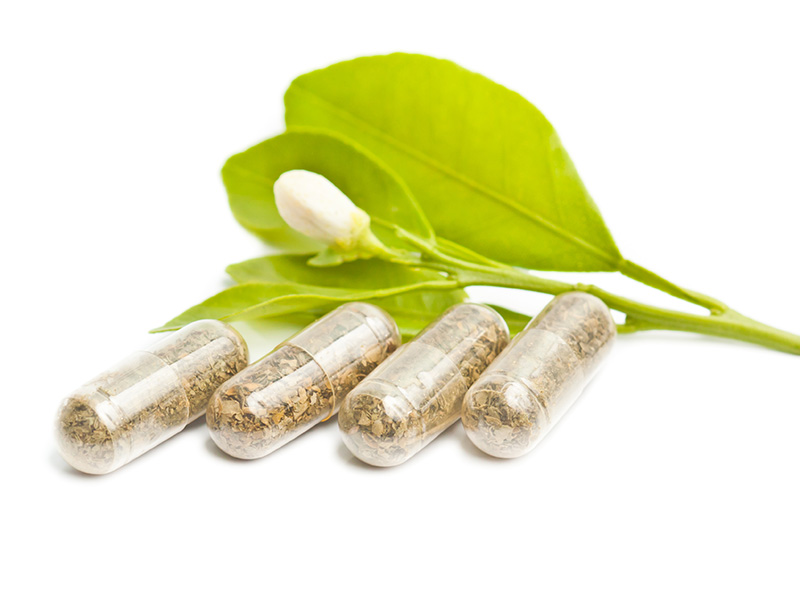
Today, there is a real surge of interest in plants and natural remedies; there have been too many negative side effects from medications. There has also been an overuse of prescriptions—at the slightest ailment, doctors prescribe large quantities of medications and antibiotics that damage the gut flora. Pharmaceutical companies are starting to face criticism from a public that is increasingly seeking to take charge of its own health and maintain balance rather than treat symptoms with chemical drugs that are not without consequences for the body.